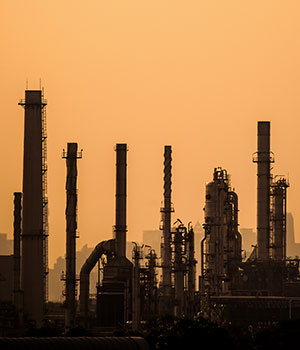
Ineos’ Chequered Environmental Track Record in Europe

Categories

Fossil Fuels

DOWNLOAD PDF VIEW ON SCRIBD

The petrochemical company Ineos is transforming into a dominant UK fossil fuel firm with oil and gas extraction, storage, processing and pipeline assets.

Since its 1998 inception, Ineos has rapidly assembled a sprawling corporate empire by snapping up chemical factories and companies.

But it also has garnered a chequered environmental record in its aggressive climb to become one of the world’s largest chemical conglomerates.

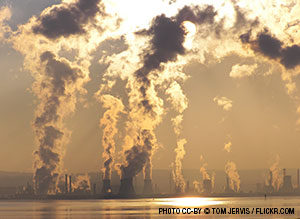
The petrochemical industry, plastics production and fracking are innately risky to the environment and public health. Methane leaks from oil and gas infra- structure are a leading contributor to global warming, and in the United States the fracking industry has been responsible for thousands of spills and accidents that have contaminated groundwater resources. Ineos is pushing to frack the UK, but its troubled environmental and safety record at its chemical manufacturing plants makes the company a risky bet for UK communities and the environment. The Ineos chemical plants have released millions of tonnes of the green- house gas carbon dioxide as well as other hazardous pollutants.

Find out the dangers and what should happen instead in our report.

Advocacy Groups Release Legal Resource for Fighting Fossil Fuel Projects

New toolkit helps clarify EU legislation to challenge exploration and extraction of hydrocarbons
BrusselsFood & Water Europe – with the pro bono support of The Good Lobby – has released today the 1st guide through the jungle of European environmental legislation for activists and non-governmental organisations that oppose fossil fuel projects.

The Hydrocarbons Toolkit provides legal arguments for activists in the European Union (EU) against the exploration and extraction of hydrocarbons in general (and shale gas/oil, tight gas/oil and coal-bed methane in particular) by referring to relevant articles of existing and binding EU law. It explains in accessible language the most relevant directives and regulations that are applicable to the exploration and extraction of hydrocarbons.

More precisely, the toolkit discusses the individual pieces of legislation along the hydraulic fracturing process, starting from prior assessments to liability. For each Directive/Regulation it discusses the goal and scope, the most relevant provisions, limitations, and the general line of argument that activists and non-governmental organisations (NGOs) can use to challenge the exploration and extraction of hydrocarbons. Case law is discussed where relevant. Lastly, the toolkit establishes the procedural steps that citizens and/or organisations can take to contest a certain project on the EU level.

“Despite the abundant scientific evidence that methane emissions from oil and gas extraction in general and from shale oil and gas in particular are a significant driver of climate change, the EU Commission and Member States are nonetheless pushing for more unneeded gas projects in Europe,” says Andy Gheorghiu, Policy Advisor for Food & Water Europe. “Since we all know that we need to act quick to prevent the worst outcomes of global warming, we want to give activists free legal advice on how they could possibly fight these fossil fuel projects.”

“Alberto Alemanno, director of The Good Lobby”, says “this project epitomizes the importance of intensified collaboration between academics, professionals and EU civil society organisations. This tool-kit will guide future infirmed and evidence-based advocacy in the field so as to gain policymakers’ respect and trust. As such, it is a model for future co-operation”.

In one glance, NGOs or activists can see which regulations may provide legal arguments to fight oil and gas exploration/extraction projects in their countries. For more extensive information on the exact obligations and possible limitations of these regulations, download the toolkit here.

Contact: Andy Gheorghiu, Food & Water Europe, agheorghiu(at)fweurope.org, Giacomo Delinavelli, The Good Lobby, Giacomo(at)thegoodlobby.eu

###

The Good Lobby is a skill-based volunteering network that makes European academics, legal professionals and students available on a pro bono basis to support non-governmental organisations working on key social and political issues at the European level. The Good Lobby does not engage in any actual lobby. It supports legal and policy advocacy carried out by NGOs across Europe, it fosters pro bono collaborations, it carries out advocacy training, and we connect communities of public interest actors.


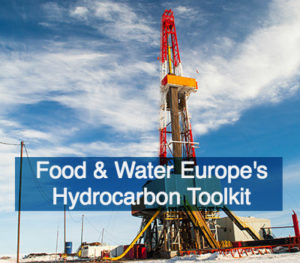
Food & Water Europe’s Hydrocarbon Toolkit

Categories

Common Resources

DOWNLOAD PDF VIEW ON SCRIBD

The goal of this toolkit is to provide legal arguments to activists in the European Union (EU) against the exploration and extraction of hydrocarbons (e.g., shale gas/oil, tight gas/oil, coal-bed methane) by referring to relevant articles of existing and binding EU law. It explains in accessible language the most relevant Directives and Regulations that are applicable to the exploration and extraction of hydrocarbons. More precisely, the toolkit discusses the individual pieces of legislation along the hydraulic fracturing process, starting from prior assessments to liability. For each Directive/Regulation it discusses the goal and scope, the most relevant provisions, limitations, and the general line of argumentation that non-governmental organisations (NGOs) can use to challenge the exploration and extraction of hydrocarbons. Case law is discussed where relevant. Lastly, the toolkit establishes the procedural steps that citizens and/or organisations can take to contest a certain project on the EU level.

This toolkit focuses on regulation of the exploration and extraction of hydrocarbons such as shale gas/oil, tight gas/oil and coal-bed methane; however, it is important to note that some negative impacts (water and soil con- tamination, methane emissions, earthquakes from wastewater disposal, as well as public health impacts) can occur even if hydraulic fracturing is not being used as a stimulation method.

Find out more in, ‘Food & Water Europe’s Hydrocarbon Toolkit.’

Meet the Secretive Chemical Billionaire Who Wants to Frack Europe

New Report Shows How Fossil Fuel Drilling Built the Ineos Empire

Brussels, 12 October 2017 —  Just days after the Scottish government extended its moratorium indefinitely on the dangerous drilling technique known as fracking, a new report sheds light on the links between one European billionaire’s chemical and fossil fuels empire and fracking in the United States.

The new issue brief, “Chemical Billionaire’s Bid for Fossil Fuel Empire,” was released by Food & Water Europe, an affiliate of the U.S.-based advocacy group Food & Water Watch. The research provides an in-depth look at the rise of Ineos Corporation, a massive and secretive chemical corporate colossus controlled by secretive billionaire James Ratcliffe.

The Ineos empire, once dubbed “near impenetrable business” by the Financial Times, was put together via debt-fueled takeovers of distressed corporate properties over the course of two decades. It now stands as one of the most powerful petrochemical companies in the world. The company manufactures an array of chemicals and products refined from oil and natural gas; imported U.S. gas derived from fracking is a key feedstock for one of its primary businesses, the manufacture of plastic pellets.

The company’s growth over the past decade relies heavily on fracking in Pennsylvania and Ohio, which has resulted in dramatically lower prices for gas. And the Ineos link to U.S. fracking is represented most dramatically by its fleet of so-called “dragon ships,” which carry gas and shale gas liquids across the Atlantic Ocean for processing at refineries such as the Ineos-owned facility at Grangemouth in Scotland.

And, as the new report shows, Ineos is not merely content with importing these fracking-derived feedstocks via this trans-Atlantic virtual pipeline. The company is the largest holder of shale drilling licenses in the United Kingdom, and is pushing hard to begin fracking. It has made substantial investments in fossil fuel infrastructure, and has lobbied politicians and local governments to approve drilling in order to kick start a European “shale revolution” that is likely to make the company even more profitable.

“Ineos is a dirty energy company that shuns the spotlight, and for good reason: The more you know about their vision for the future, the harder you will fight to stop them,” said Food & Water Watch Executive Director Wenonah Hauter. “This is a company that has amassed giant profits at the expense of the environment and the communities in western Pennsylvania that have been harmed by fracking. And they want to expand the damage done by fracking to Europe. Thankfully, the grassroots opposition to dirty drilling and plastic waste is only growing, and political leaders are starting to listen. The future belongs to clean, renewable energy, not corporate schemes that promote fracking, climate chaos, and that contribute to the massive pollution of the oceans through the production of plastics.”

The growing public opposition to fracking in Northern Ireland and England and the indefinite moratorium in Scotland represents a serious threat to Ineos’s plans to frack Europe. The company’s business model is built around dirty energy extraction and corporate profiteering at the expense of public health, safety and the environment. That backwards-looking vision has proved disastrous for the communities on the frontlines of the disastrous fracking experiment in the United States.

Contact: Andy Gheorghiu, Food & Water Europe, agheorghiu(at)fweurope.org

+49 (0) 5631 50 69 507 (land), +49 (0) 160 20 30 974 (mobile)
Chemical Billionaire’s Bid for Fossil Fuel Empire: Ineos Corporate Profile

Categories

Common Resources

For the past decade, the United States has pursued a failed experiment in natural gas extraction known as hydraulic fracturing, or fracking.

The fossil fuel industry touts fracking as a revolutionary technology that could deliver huge volumes of cheap, clean energy. But the fracking boom has been an environmental catastrophe in the United States.

DOWNLOAD PDF VIEW ON SCRIBD

The private and secretive chemical company Ineos has been leading the charge to bring this environmentally destructive method to the United Kingdom (UK) and mainland Europe.

However, the fracking “revolution” that Ineos promotes is a return to the past, where corporate executives profit from environmentally destructive extraction and the generation of dirty energy. In reality, fracked gas is incompatible with European Union (EU) and United Kingdom (UK) climate objectives, the Paris Agreement obligations and the need to act quickly to tackle climate change.

Find out more in, ‘Chemical Billionaire’s Bid for Fossil Fuel Empire: Ineos Corporate Profile.

Scotland Bans Fracking. The UK and U.S. Should as Well

Statement by Wenonah Hauter, Executive Director, Food & Water Watch and Food & Water Europe

Washington, D.C. and Brussels – “Today, Scotland’s government banned fracking, acknowledging what the science shows: if we want to address climate change, we have to start with cutting fossil fuel emissions.”

“Banning fracking is a necessary step towards beating the worst effects of climate chaos, and the UK and the U.S. should follow Scotland’s example. In the U.S., we already have the means to start moving off of fracking swiftly—the Off Fossil Fuels For a Better Future Act, which would mandate a just transition to 100 percent clean renewable energy by 2035, starting with 80 percent within the next 10 years.

“Giant energy company Ineos, which invested heavily in its Scottish facility at Grangemouth, fought hard against this ban, even threatening to explore legal action against the government if it passed. But people power prevailed, and it will continue to prevail. We can’t let companies like ExxonMobil and Ineos stop the inevitable march towards clean energy. Bold and swift policy change is our only hope for addressing our climate goals. We applaud the Scottish government for doing what’s right for people and the planet.”

Contact:

Frida Kieninger: +32 (0) 2893 1045 – [email protected]